
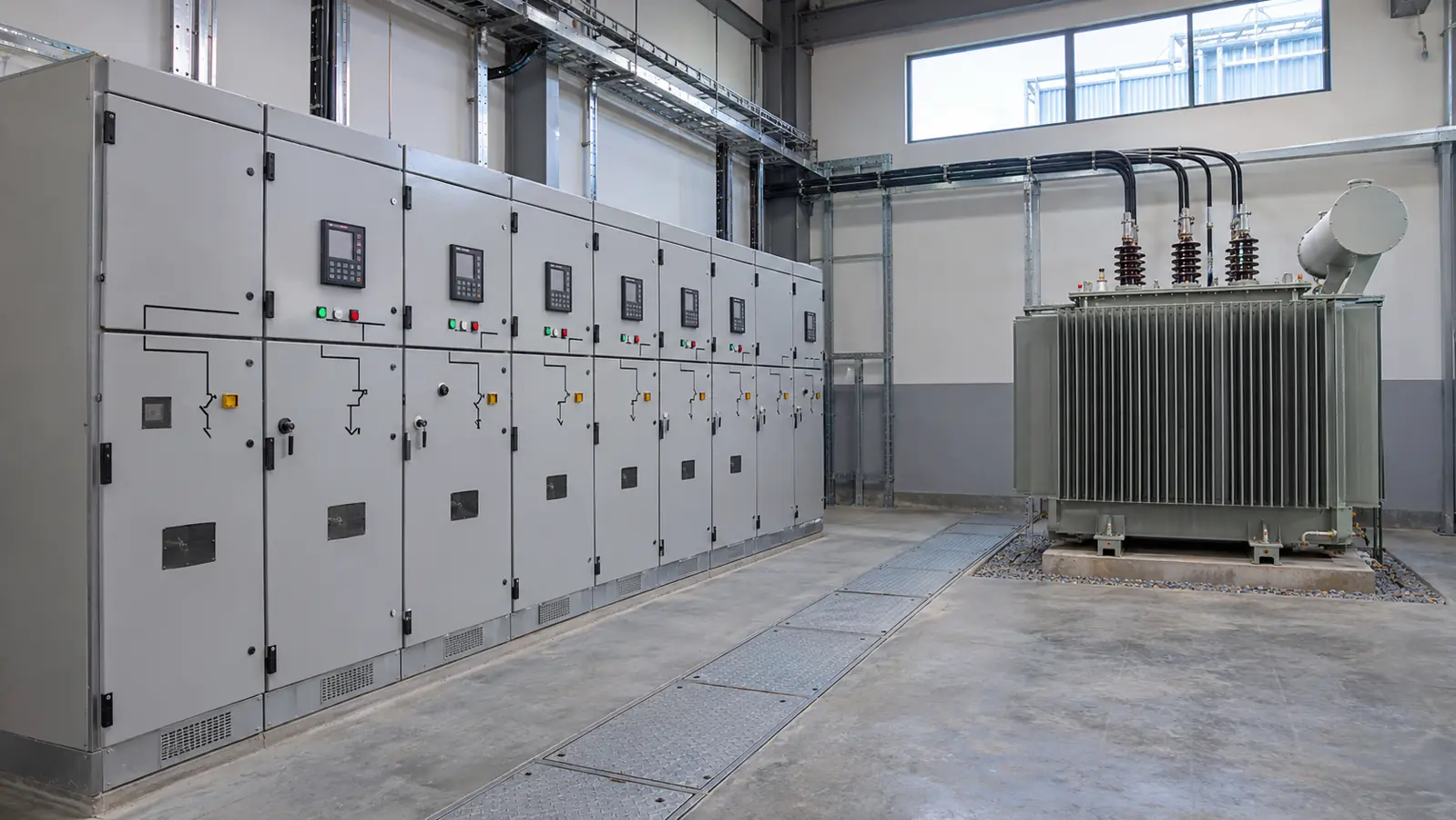
A transformer substation, from first need to energising.
Who decides what, when and with whom: this guide follows a transformer substation project as the client experiences it, from the first power estimate to the handover of the documentation.
The starting point: decisions that belong to the client
A substation project does not start with the choice of equipment, but with a few questions that only the client can answer. What must the site supply when it opens? What might it take on later: a production line, a warehouse, a second building? What interruption of supply can the activity tolerate? Where on the plot can the substation stand while remaining accessible to vehicles and to operating staff?
The contractor helps to frame these answers; it cannot give them in the client’s place. The earlier they come, the less the project has to go back over its steps, since the power chosen determines the transformer and the location determines the route of the cable. When the substation goes with a new building, it is decided along with it. In Kenitra, In All Africa (IN2A) built and equipped a 160 kVA substation with motorised switchgear cubicles and made the low-voltage connection of the new Green Factorys unit (client certificate dated 2011).
What the client has to settle
- The power needed at commissioning and the extensions envisaged
- The location of the substation and its access
- The continuity of supply expected: generator set, standby supply
- The date by which the site must be supplied
- The person who follows the file and signs the applications
- How the works are shared between the contractors: civil works, electrical works
Distributor, design office, inspection body, contractor: who does what
The electricity distributor operates the medium-voltage grid to which the substation will be connected. It sets out the conditions of the connection, gives its decision on everything that affects its grid and takes part when the substation is energised. The design office, when the project has one, turns the need into a specification and drawings. The inspection body, when one is appointed, checks that the installation meets the standards in force and the contract documents.
The electrical contractor produces the detailed design, supplies and installs the equipment, carries out the tests and prepares the technical documents that the other parties expect from it. As a general rule, the client remains the applicant for the connection and the future operator of the substation. A project moves forward well when each party knows what the others expect of it: this allocation of roles is the first thing to put in writing, even before the schedule.
How it unfolds, from the site visit to energising
It all starts with a visit: a survey of the plot, locating the nearest medium-voltage grid, examining the room or the location planned. The load assessment then makes it possible to choose the transformer, and the study defines the switchgear cubicles, the low-voltage switchboard, the link and the earthing. The quote prices the whole. Once the order has been placed, the detailed design and the connection application move forward in parallel, because each needs information from the other.
On site, the civil works come first: the substation room or slab, trenches, ducts. The equipment is then installed and connected, and the installation is checked de-energised before any switching operation. Energising is then decided with the distributor. The substation is not always a stand-alone structure: for the Sidi Rahal craft complex, In All Africa (IN2A) delivered the transformer substation, the MV/LV link and the street lighting for Al Omrane Marrakech.
The steps in order
- Site visit and load assessment
- Study, quote and order
- Detailed design and connection application
- Procurement of the transformer and the switchgear cubicles
- Civil works for the substation and the link
- Installation, connection and earthing
- Checks and tests with the installation de-energised
- Energising in coordination with the distributor
What delays a substation project
Delays rarely come from the installation work itself. They arise earlier: a power figure that changes after the order, a connection file with a document missing, a location called into question, civil works that are not ready when the equipment arrives. The transformer and the medium-voltage switchgear cubicles are ordered for the project; their lead time is part of the schedule and cannot be made up on site.
The grid itself may require works. When the existing line is not sufficient or the site is remote, the connection becomes a project in its own right. For the Aglou Centre, in Tiznit, In All Africa (IN2A) reinforced the medium-voltage line that supplies the site and equipped two 315 kVA transformer substations (client certificate dated 2014). It is better to identify this need at the site visit than to discover it when the connection application is made.
Common causes of delay
- Power changed after the transformer has been ordered
- Incomplete connection file
- Location of the substation or route of the link called into question
- Rights of way for the link not obtained
- Civil works unfinished when the equipment is delivered
- Equipment ordered late
What the client receives at the end
At commissioning, the client does not just receive an energised substation. It receives the documentation that will make it possible to operate, maintain and upgrade it: the as-built drawings, the single-line diagram, the equipment manuals, the test reports. Without these documents, the smallest future job starts with a complete survey of the installation, at the operator’s expense.
That leaves operation. Medium-voltage switching operations are reserved for trained and authorised persons; the client therefore needs to know who is in charge of them, in its own team or at a service provider. A substation is looked after over time: it is maintained, and upgraded when the site changes or its equipment ages. The documentation handed over at commissioning is the basis for each of these jobs.
The documentation handed over
- As-built drawings
- Single-line diagram of the substation
- Manufacturers’ manuals and documents
- Reports of the tests and checks
- Operating and switching instructions
- Contact details for maintenance and repairs
A model of principle: typical equipment, not the mock-up of a particular installation.
Your questions
01Who submits the connection application to the distributor?
As a general rule, the application is made in the name of the project owner, since it is the party that will be supplied. The contractor prepares the technical documents, such as the drawings and the characteristics of the substation, and follows the exchanges. The electricity distributor specifies the exact list of documents to be provided.
02Can a power increase be planned for from the start?
Yes, and that is the right time to do it. A room large enough for a more powerful transformer or for a second unit, spare capacity in the low-voltage switchboard and spare ducts cost little at construction. Adding them to a substation in service means works and a shutdown.
03Are the civil works for the substation part of the electrical work package?
It depends on the contract. The room, the slab and the trenches are sometimes entrusted to the structural works contractor, sometimes to the electrician. What matters is that this point is written into the quotes, along with the drawings the electrician must provide so that the civil works match the equipment.
Read next
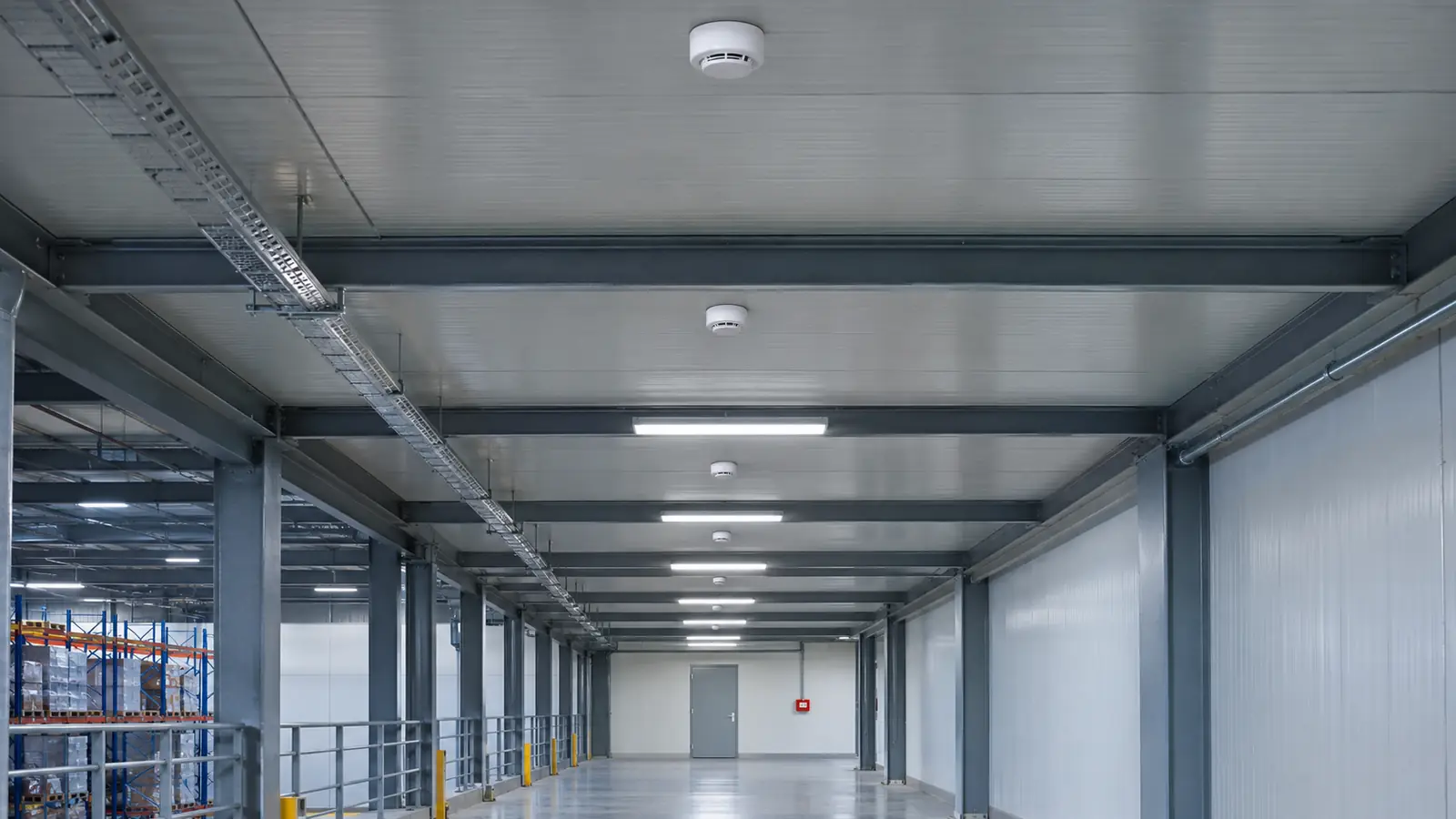
Understanding a fire safety system
Detection, alarm, safety actions: this guide explains to an owner or an operator what each part of the system does, what changes from one building to another and what to ask an installer.
Read the guide
A store’s electrical work package: the checklist
In All Africa (IN2A) has delivered the electrical work package of several Decathlon stores in Morocco. This checklist sets out, in the order of the project, what the person in charge of an opening has to decide, follow, check and keep.
Read the guide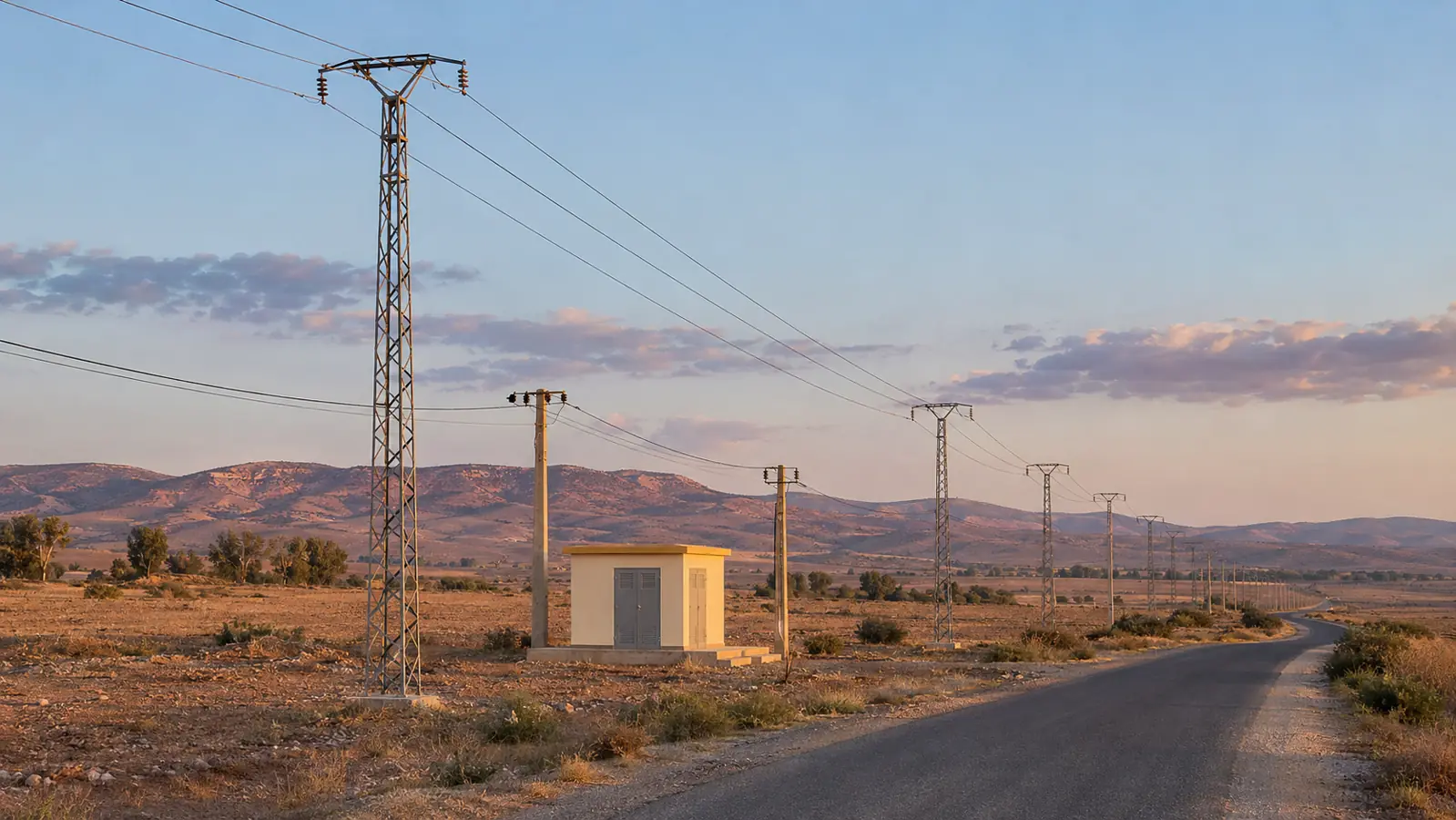
Choosing your electrical contractor
References, design, team, tests, maintenance: the questions to ask before entrusting an industrial or commercial project to an electrical contractor, and how to compare quotes that do not all cover the same thing.
Read the guideRelated services
The In All Africa (IN2A) trades linked to this subject.
A substation project to launch?
A work package to price, a substation to renovate, a home to equip: tell us what you need and we will get back to you.
- +212 522 212 298
- commercial@inallafrica.com
- 86, lot. Mandarouna, rue 23, Aïn Chock, Casablanca