
Photovoltaic
Panels, inverters, protection and connection to the site distribution, on roofs or on the ground.
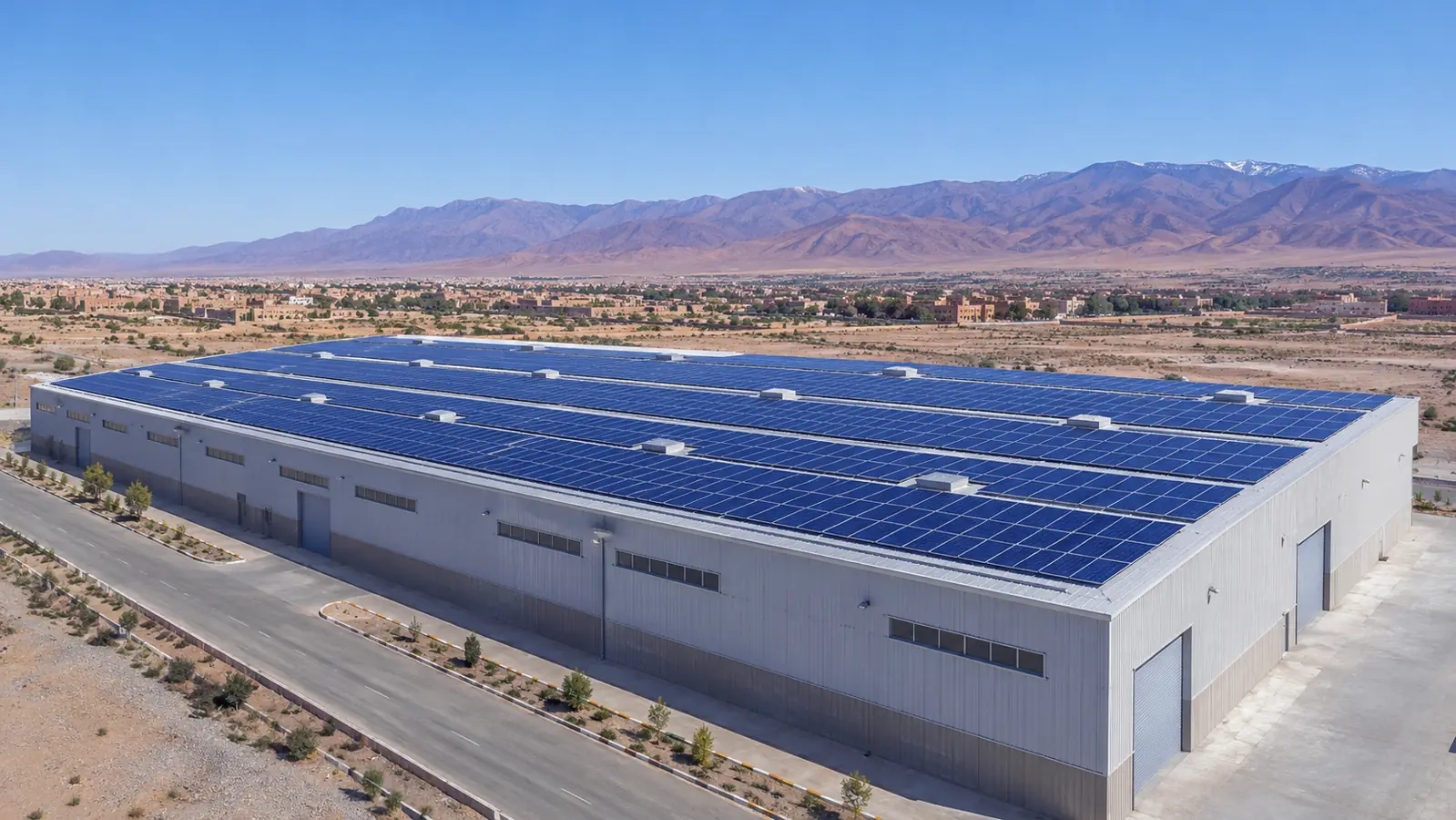
Photovoltaic, wind, hydroelectric, solar thermal, geothermal, biomass and cogeneration: In All Africa (IN2A) studies your energy needs and builds the electrical side of your generation installation.
Producing your own energy first requires a good knowledge of your consumption. Our study is based on an overall understanding of the energy needs of the site, in order to select the appropriate generation solution and reduce the carbon footprint of the activities concerned.
Photovoltaic power generation and cogeneration are among the power systems installations designed by In All Africa (IN2A). They are connected to the distribution of the site, with the main low-voltage switchboard (TGBT), the standby networks and the generator sets.
A model of principle: typical equipment, not the mock-up of a particular installation. Schematic diagram: it shows how the parts follow one another, not the drawing of a particular installation.
A generation installation is reliable only if it is properly integrated into the rest of the electrical installation. In All Africa (IN2A) delivers your renewable energy project with the same care as its power systems work packages: study, supply, installation, connection and commissioning.
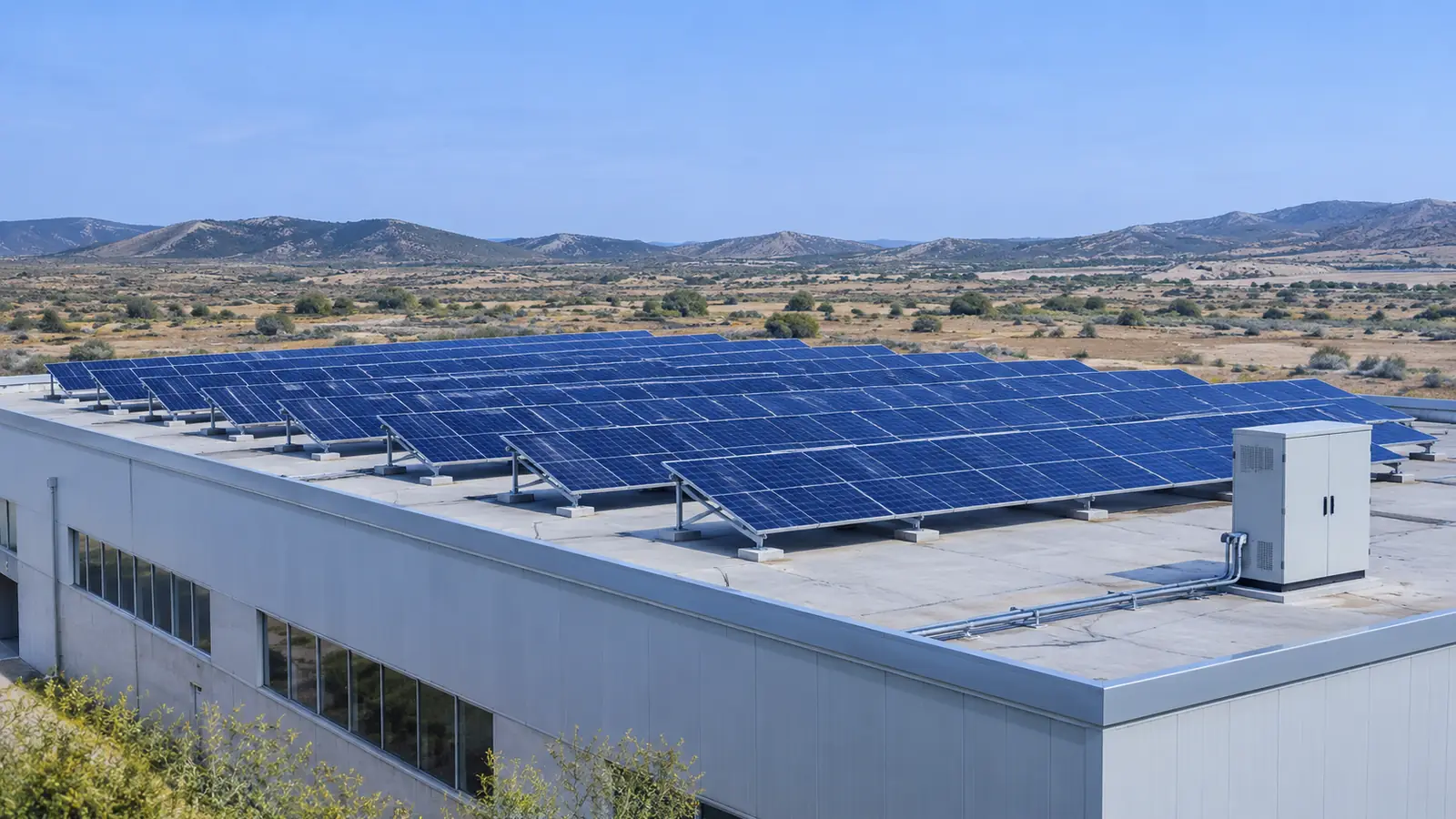
In All Africa (IN2A) also works on hydroelectric, wind, solar thermal, geothermal and biomass projects. On these projects our trade stays the same: the electrical study, the connection of the generating machines, the protection, the control systems and the link to the site distribution or the grid.
The choice of source depends on the site: its sunshine, its exposure to wind, the presence of a watercourse, its heat needs or the materials available to it. Our study starts from these facts and from your consumption.
A photovoltaic installation turns sunlight into electricity. The panels produce direct current; one or more inverters convert it into alternating current, which the equipment on the site can use. The whole is connected to the electrical installation through a dedicated switchboard, with its protective devices. The panels are installed on the roof, on a ground-mounted structure or on car park canopies, depending on the area available.
Generation follows the sunshine: it peaks in the middle of the day and is zero at night. The study therefore compares this curve with the consumption of the site, hour by hour, in order to size an installation whose energy will actually be used. A site that consumes mainly during the day, such as a workshop, offices or a shop, is particularly well suited.
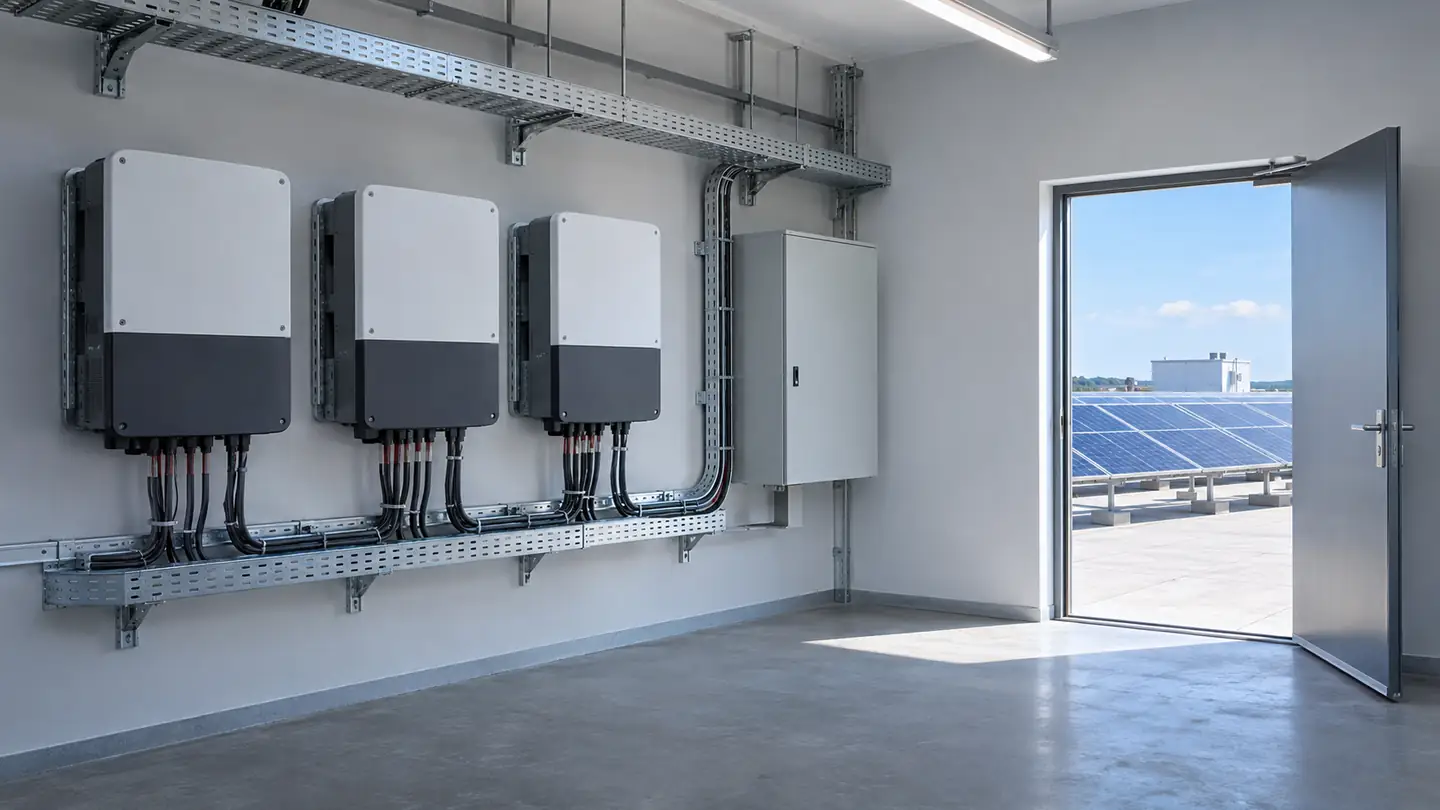
Before a photovoltaic installation can be studied, three things are needed: the consumption of the site, the area available and the condition of the electrical installation. The consumption is read from the past year’s records. The area depends on the roof, its orientation, the shadows cast on it and what the roof structure can bear. Lastly, the existing switchboard must be able to take the connection of the generation.
Cogeneration meets a different need: it produces electricity and heat at the same time from a single energy source. It is therefore of interest to sites that consume both on a regular basis. In both cases, In All Africa (IN2A) studies the project as part of the power systems installation: the generation must work with the TGBT, the standby networks and the generator set of the site.
For each source, In All Africa (IN2A) takes charge of the electrical side of the installation.
Panels, inverters, protection and connection to the site distribution, on roofs or on the ground.
Electrical connection of wind turbines: cables, cabinets, protection and coupling to the site installation.
Electrical side of small plants: connection of the alternator, control cabinets, protection and power evacuation.
Power supply and regulation of solar hot-water installations: circulation pumps, sensors and control cabinet.
Power supply and control of geothermal heat pumps and their auxiliaries.
Connection of the generating sets, synchronisation with the site network, protection and metering.
From the first site visit to the upkeep of the installation.
We study your consumption records and your operating hours to understand when and how much your site consumes.
We assess the area available, size the installation and define its connection to your existing electrical distribution.
Our teams supply and install the equipment, connect it to your switchboard, then carry out the tests and commissioning.
After commissioning, we remain your point of contact for the maintenance of the electrical installation to which the generation is connected.
Yes. Photovoltaic power generation is among the power systems installations designed by In All Africa (IN2A), for the residential, commercial, industrial and agricultural sectors.
Yes. In All Africa (IN2A) also works on hydroelectric, wind, solar thermal, geothermal, biomass and cogeneration projects, for the electrical side: study, connection, protection and control systems.
The panels turn sunlight into direct current. An inverter converts it into alternating current, compatible with the equipment on the site. The installation is connected to the electrical switchboard, and the energy produced directly supplies whatever is being consumed during the day.
Cogeneration means producing electricity and useful heat at the same time from a single energy source. It makes use of heat that would otherwise be lost, and suits sites with regular needs for both electricity and heat. In All Africa (IN2A) integrates it into its power systems work packages.
The electricity consumption records of the site for one year, the drawings of the roof or of the land available, and the diagram of the existing electrical installation. From these, In All Africa (IN2A) assesses the possible generation and how to connect it to your distribution.
Related services.
From grid connection to distribution
Indoor, outdoor, LED
Power supply and control of stations
SDI, SMSI, alarm
Access, intrusion, video surveillance
Safety and ambience
A work package to price, a substation to renovate, a home to equip: tell us what you need and we will get back to you.