

Opening a store: the electrical work package, point by point.
In All Africa (IN2A) has delivered the electrical work package of several Decathlon stores in Morocco. This checklist sets out, in the order of the project, what the person in charge of an opening has to decide, follow, check and keep.
Before the works: what has to be decided
The most useful decisions are taken before the first cable is pulled. The layout plan of the fixtures and the checkouts governs the lighting, the sockets and the data network: as long as it keeps moving, the electrical design moves with it. The power available in the premises, or the power that will have to be applied for, is also checked very early, because it may call for formalities that the works will not be able to make up for.
To decide before the works
- Layout plan of the sales floor, the checkouts and the stockrooms, finalised
- Power needed, compared with the power available in the premises
- Supply from the existing building or from a substation of the store’s own
- The retailer’s lighting concept and the atmosphere expected in each area
- Systems required: fire, intrusion, access control, video surveillance
- IT needs: checkouts, offices, wireless network, link to head office
- Equipment to be kept supplied during a power cut
- Opening date and dates imposed by the other trades
What each package covers
A store’s electrical work package is in fact the sum of several packages. Going through them one by one makes it possible to check that none has been left out of the tender and that each one does have someone responsible for it. In the Decathlon stores, In All Africa (IN2A) delivered them together; in Marrakech, the works also included the transformer substation and the car park lighting.
The packages and what they contain
- Power systems: switchboards, distribution, sockets, supply of the technical equipment
- Lighting: sales floor, stockrooms, staff rooms, outdoor areas
- Emergency lighting: signage of the exits and escape routes
- Fire detection: detectors, manual call points, control panel
- Sound system: evacuation and safety messages, announcements
- Security: intrusion detection, access control, video surveillance
- Structured cabling: cabinet, network sockets for the checkouts and the offices
- Depending on the site: transformer substation and car park lighting
During the works: the points to follow
In a store, the electrician works in the midst of the other trades: suspended ceilings, air conditioning, fixtures, signage. Most rework comes from a badly settled order of work or from a change passed on too late. Following a few points at each site meeting helps to keep to the date announced, and avoids packing the finishing work and the tests into the very last days.
To follow at site meetings
- Working drawings approved before the cable trays are installed
- Routes coordinated with the suspended ceiling and the air conditioning
- Layout changes passed on in writing, with their impact
- Delivery of the switchboards and the luminaires timed to the progress of the works
- Date of the permanent power supply to the premises confirmed
- Time slot set aside for the tests before the shelves are stocked
Before opening: what has to be checked
Acceptance is not just a matter of noting that the lights come on. It consists of seeing each system work, in the contractor’s presence, in the situation it was designed for, including a power cut and an alarm. The reservations noted that day are written down, dated and followed until they are cleared: what is not noted is rarely put right after the opening.
To check before opening
- Lighting of all areas, including controls and time switches
- Emergency lighting: operation when the supply is cut
- Fire detection: test of the detectors and call points, zones identified on the panel
- Evacuation message audible on the sales floor, in the stockroom and in the staff rooms
- Intrusion alarm, access control readers and camera images
- Network sockets of the checkouts and the offices tested and labelled
- Electrical switchboards: circuits labelled and diagrams up to date
- Report of the inspection body, when the project provides for one
After acceptance: what has to be kept
A store changes: aisles moved, checkouts added, lighting renewed. Each of these changes will be quicker and cheaper if the documentation handed over at acceptance is complete and filed where the site manager can find it. For a retailer opening several stores, keeping the same documents from one site to the next also makes maintenance and the preparation of the next openings easier.
To keep after acceptance
- As-built drawings and switchboard diagrams
- Manuals and references of the equipment installed
- Test reports and acceptance report
- List of reservations and the date they were cleared
- Codes, badges and access rights of the security systems
- Operating instructions for the fire system
- Contact details of the contractor for maintenance and repairs
A model of principle: typical equipment, not the mock-up of a particular installation.
Your questions
01Does a store need a transformer substation?
It depends on the power requested and on what the low-voltage grid can provide at that location, which the electricity distributor specifies. A large store may need its own substation: In All Africa (IN2A) delivered the substations of the Decathlon stores in Marrakech and Agadir.
02Can the layout be changed once the works have started?
Yes, but each time an aisle or a checkout is moved, it affects the lighting, the sockets and the data network. As long as the cable trays have not been installed, the impact remains limited. After that, the change becomes additional work, to be priced and fitted back into the schedule before it is started.
03What should be sent to the electrician to obtain a quote?
The drawings of the premises and the planned layout, the retailer’s specification if there is one, the list of equipment to be supplied, the safety and security systems wanted, and the target opening date. A visit to the premises completes this information when the building already exists.
Read next
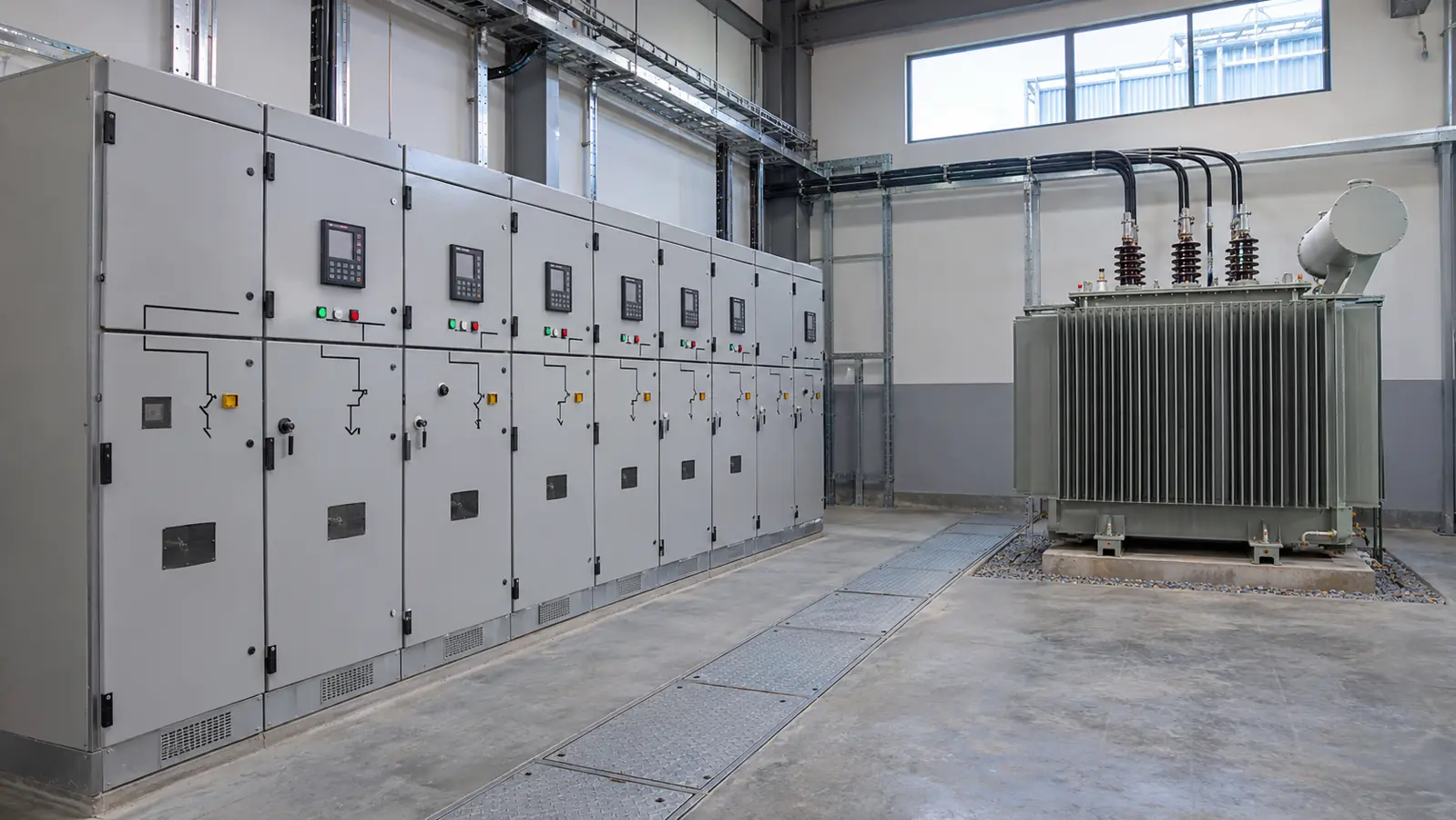
Running a transformer substation project
Who decides what, when and with whom: this guide follows a transformer substation project as the client experiences it, from the first power estimate to the handover of the documentation.
Read the guide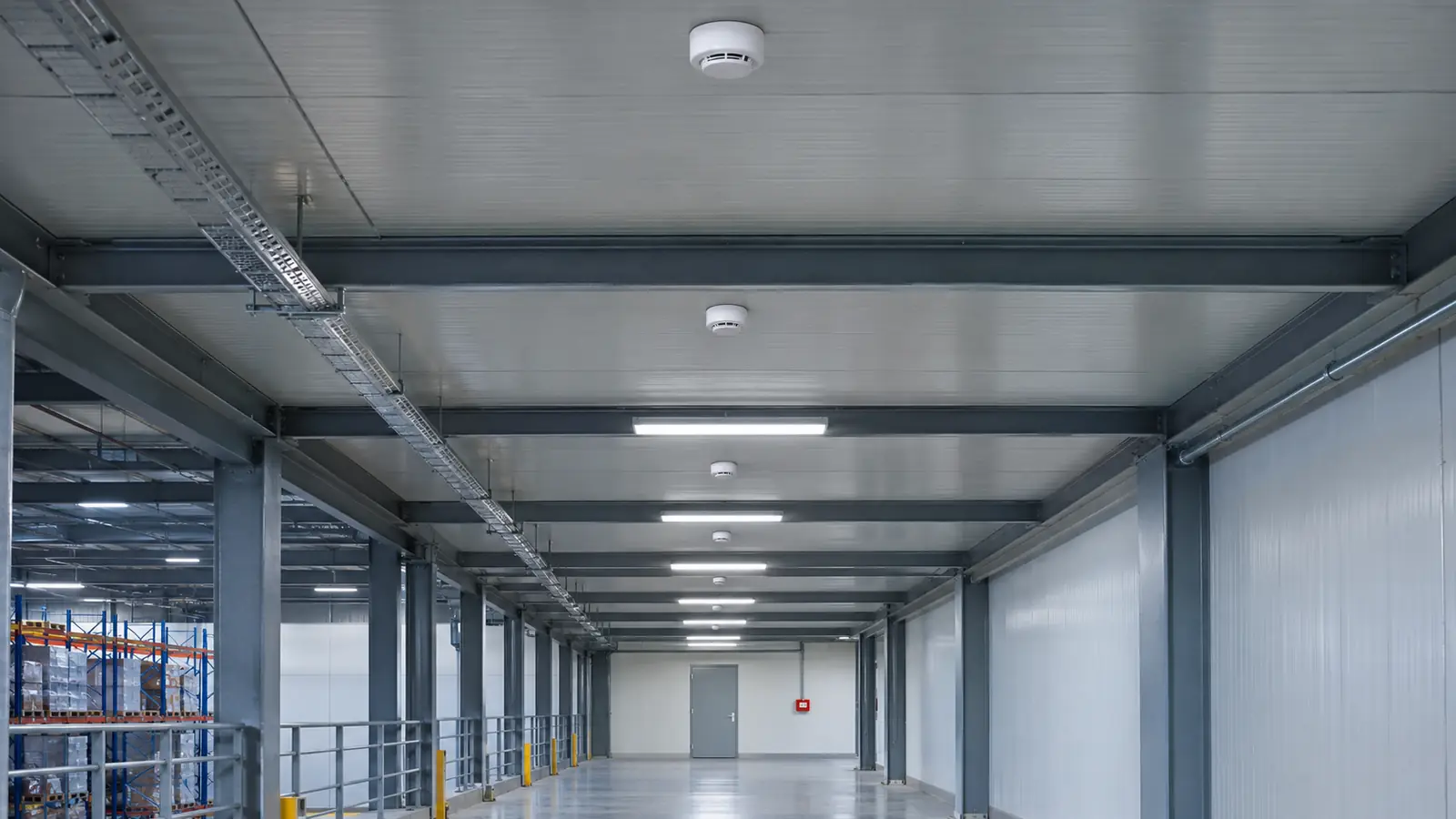
Understanding a fire safety system
Detection, alarm, safety actions: this guide explains to an owner or an operator what each part of the system does, what changes from one building to another and what to ask an installer.
Read the guide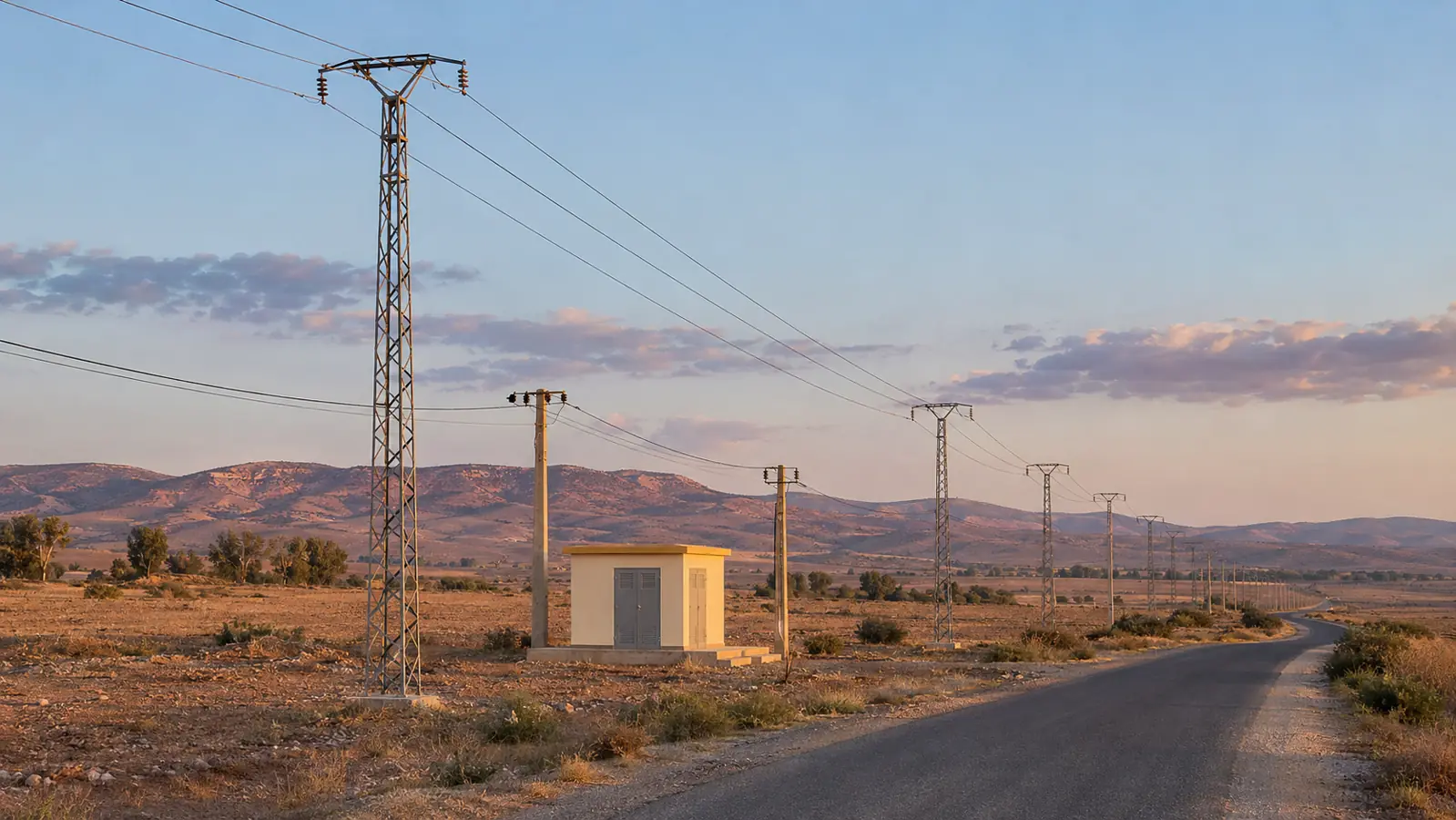
Choosing your electrical contractor
References, design, team, tests, maintenance: the questions to ask before entrusting an industrial or commercial project to an electrical contractor, and how to compare quotes that do not all cover the same thing.
Read the guideRelated services
The In All Africa (IN2A) trades linked to this subject.
An opening to prepare?
A work package to price, a substation to renovate, a home to equip: tell us what you need and we will get back to you.
- +212 522 212 298
- commercial@inallafrica.com
- 86, lot. Mandarouna, rue 23, Aïn Chock, Casablanca